This solution is an institutional textbook designed to provide school teachers with a structured framework for teaching civil protection as part of the compulsory Civic Education course. It offers detailed modules covering the history of the National Civil Protection Service, the scientific basis of diverse hazards, and practical self-protection measures. The textbook serves as an official reference to foster a culture of prevention and community resilience from an early age.
Self-Sustaining Resilience Approach

The Tokyo Resilience Project is a city-wide preparedness programme that equips residents with practical tools and learning experiences to improve everyday disaster readiness.
In practice, the project operates as a multi-hazard resilience “umbrella”: it strengthens physical protection (e.g., regulating reservoirs and river measures; coastal protection and sea-level-rise readiness; upgrading buildings and lifelines) while also trying to make preparedness “everyday” through accessible products and outreach. Examples of public-facing outputs include:
Contribution
A national preparedness campaign that gives the public clear, practical steps to prepare for disasters and emergencies.
Ready.gov offers all-hazards and hazard-specific guidance - plans, supply kits, alerts and warnings, and recovery actions, with dedicated sections for Ready Kids and Ready Business that tailor preparedness actions to schools/families and the private sector.
Contribution
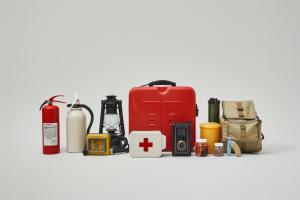
A practical household preparedness guide that helps people manage the first 72 hours of an emergency when essential services may be disrupted.
Contribution
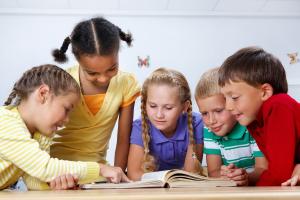
This guide provides practical strategies for engaging children as active participants in disaster risk reduction. It frames children not merely as vulnerable groups but as agents capable of contributing ideas, identifying risks, and supporting community preparedness. Through participatory methods, case studies, and hands-on activities, the guide demonstrates how children can be meaningfully involved in planning, prevention, and resilience-building at the community level.
Solution
Safecast designs and deploys open hardware and software tools that enable citizens and experts to collect, share and access high-quality environmental data. Originating from a post-disaster information gap, Safecast promotes transparency, public trust and evidence-based decision-making through open data and community-driven monitoring.
Solution
RiskMap is an open, transparent, web-based platform that collects verified, real-time disaster reports from citizens via social media/chatbots and visualizes them on an interactive map.
Residents report hazards (e.g., flood location/depth, road closures, storm damage) and the map helps communities avoid danger and navigate to safety.
Emergency managers can use the same data stream (and, in some deployments, a dedicated dashboard) to support situational awareness and response planning.
Solution
Ready.gov provides a comprehensive framework for individual and community preparedness, focusing on four pillars: staying informed, making a plan, building a kit, and getting involved.
Contribution

Risk Runner is an interactive video game designed for children aged 9 to 12, which transforms learning about safety into a dynamic and fun experience. Through realistic scenarios – such as floods, forest fires, earthquakes, and environmental crisis – players face challenges and mini-quizzes that teach them how to behave correctly in an emergency. The game combines racing and gamification elements with educational content, promoting awareness, prevention and resilience.
Solution