
A free, curriculum-linked first aid teaching toolkit that enables any secondary school teacher across the UK to deliver first aid education to students.
Self-Sustaining Resilience Approach

A policy and planning toolkit used by education and disaster risk management actors to assess, reduce, and manage risks affecting learners, educators, and education systems. The solution outlines foundations and pillars for systemic action to protect learners, keep schools open during crises, and build resilience through risk education and inclusive safety management.
The CSSF aims to:
Solution

A digital platform and citizen network designed to mobilize local mutual aid and risk awareness through a "Citizen Volunteer" model before, during, and after disasters.
Solution

This solution is an institutional textbook designed to provide school teachers with a structured framework for teaching civil protection as part of the compulsory Civic Education course. It offers detailed modules covering the history of the National Civil Protection Service, the scientific basis of diverse hazards, and practical self-protection measures. The textbook serves as an official reference to foster a culture of prevention and community resilience from an early age.
Solution

A national preparedness campaign that gives the public clear, practical steps to prepare for disasters and emergencies.
Ready.gov offers all-hazards and hazard-specific guidance - plans, supply kits, alerts and warnings, and recovery actions, with dedicated sections for Ready Kids and Ready Business that tailor preparedness actions to schools/families and the private sector.
Case
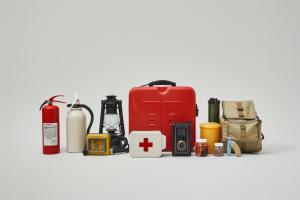
A practical household preparedness guide that helps people manage the first 72 hours of an emergency when essential services may be disrupted.
Solution
A free, curriculum-linked first aid teaching toolkit that enables any secondary school teacher across the UK to deliver first aid education to students.
Contribution

The Tokyo Resilience Project is a city-wide preparedness programme that equips residents with practical tools and learning experiences to improve everyday disaster readiness.
In practice, the project operates as a multi-hazard resilience “umbrella”: it strengthens physical protection (e.g., regulating reservoirs and river measures; coastal protection and sea-level-rise readiness; upgrading buildings and lifelines) while also trying to make preparedness “everyday” through accessible products and outreach. Examples of public-facing outputs include:
Case
A policy and planning toolkit used by education and disaster risk management actors to assess, reduce, and manage risks affecting learners, educators, and education systems. The solution outlines foundations and pillars for systemic action to protect learners, keep schools open during crises, and build resilience through risk education and inclusive safety management.
The CSSF aims to:
Contribution
A digital platform and citizen network designed to mobilize local mutual aid and risk awareness through a "Citizen Volunteer" model before, during, and after disasters.
Contribution