An annual Italian programme that trains young people each year in disaster risk awareness and civil protection through immersive week-long camps.
Limited
A free, modular resilience guide that equips Red Cross Red Crescent branches and community-based organisations in urban areas to lead practical, low-cost activities that strengthen community preparedness and reduce disaster risk.
Contribution
A community-based educational board game that helps participants learn about natural hazards, preparedness actions, and response behaviours relevant to island environments. It is supported by a structured facilitator manual to ensure accurate learning outcomes.
The solution aims to increase disaster risk awareness and preparedness through interactive learning, enabling participants to recognise local hazards, understand appropriate preparedness actions, and discuss risk-reducing behaviours relevant to Seychelles island communities.
Contribution
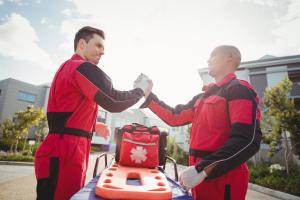
A community training programme that turns residents into organised, trained volunteers who can support emergency response and recovery in their neighbourhoods.
Contribution
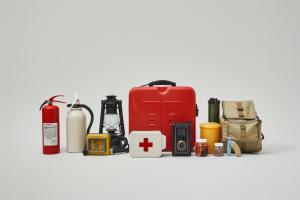
A practical household preparedness guide that helps people manage the first 72 hours of an emergency when essential services may be disrupted.
Contribution
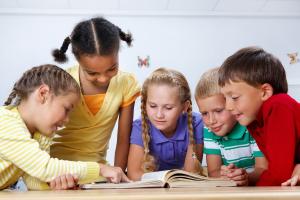
This guide provides practical strategies for engaging children as active participants in disaster risk reduction. It frames children not merely as vulnerable groups but as agents capable of contributing ideas, identifying risks, and supporting community preparedness. Through participatory methods, case studies, and hands-on activities, the guide demonstrates how children can be meaningfully involved in planning, prevention, and resilience-building at the community level.
Solution
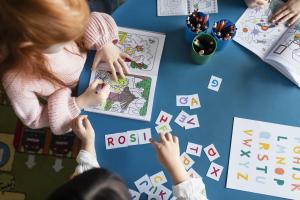
RisKIT is an educational game designed for primary schools that combines learning and fun to raise awareness among children about environmental risks and prevention measures. It includes practical exercises such as creating a risk calendar and an emergency kit, while also integrating knowledge of children’s rights in crisis situations. The goal is to develop collaboration and responsibility skills from an early age.
Solution
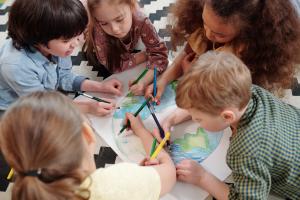
This guide provides practical strategies for engaging children as active participants in disaster risk reduction. It frames children not merely as vulnerable groups but as agents capable of contributing ideas, identifying risks, and supporting community preparedness. Through participatory methods, case studies, and hands-on activities, the guide demonstrates how children can be meaningfully involved in planning, prevention, and resilience-building at the community level.
Solution
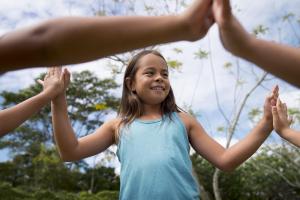
This manual presents the results of the work carried out within the CUIDAR project (Horizon 2020), focused on promoting a disaster resilience culture that actively includes children and adolescents. The manual documents activities conducted in Italy, Spain, Portugal, Greece, and the United Kingdom, showing how young people are not only vulnerable subjects but can also become key actors in disaster prevention, preparedness, and response.
Solution

In emergency situations, the rights of children and adolescents risk being violated, ignored, or underestimated due to the need to intervene quickly on aspects related to primary needs. Based on experience gained internationally and in national emergency contexts, Save the Children Italia offers practical recommendations to ensure safety, educational continuity, psychological support, and child participation, emphasizing respect for children’s rights and strengthening community resilience.
Solution