A network coordinating primary and secondary schools to integrate civil protection education into the curriculum through teacher training, age-stratified educational materials, curriculum development, and systematic engagement with civil protection volunteer organizations.
Limited
Providing Red Cross/Red Crescent practitioners with a complete project cycle framework and 59 adaptable tools for implementing community and school-based disaster risk education in Small Island Developing States.
Contribution

Provides emergency managers and disaster preparedness professionals with practical, step-by-step guidance for designing and conducting simulation exercises that test and strengthen response plans, procedures, and coordination systems across all hazards.
Solution

An annual Italian programme that trains young people each year in disaster risk awareness and civil protection through immersive week-long camps.
Case

A free, modular resilience guide that equips Red Cross Red Crescent branches and community-based organisations in urban areas to lead practical, low-cost activities that strengthen community preparedness and reduce disaster risk.
Solution

A community-based educational board game that helps participants learn about natural hazards, preparedness actions, and response behaviours relevant to island environments. It is supported by a structured facilitator manual to ensure accurate learning outcomes.
The solution aims to increase disaster risk awareness and preparedness through interactive learning, enabling participants to recognise local hazards, understand appropriate preparedness actions, and discuss risk-reducing behaviours relevant to Seychelles island communities.
Solution
An immersive game-based learning experience that teaches disaster risk reduction and climate adaptation through collaborative problem-solving. Participants work together in a three-room installation to solve quizzes and puzzles to make their simulated community more resilient to natural hazards.
Contribution
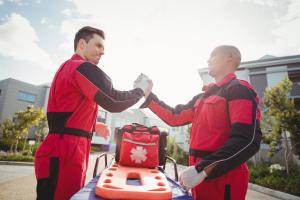
A community training programme that turns residents into organised, trained volunteers who can support emergency response and recovery in their neighbourhoods.
Case
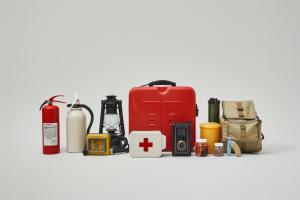
A practical household preparedness guide that helps people manage the first 72 hours of an emergency when essential services may be disrupted.
Solution
Provides emergency managers and disaster preparedness professionals with practical, step-by-step guidance for designing and conducting simulation exercises that test and strengthen response plans, procedures, and coordination systems across all hazards.
Contribution