A global student-led programme that helps schools embed sustainability and environmental action into their curricula, campus, and communities through a structured Seven Step methodology.
Lessons learned / Practical Example
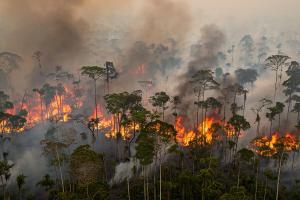
A post-wildfire recovery initiative that mobilized conservation corps youth as a trained, paid workforce to support environmental and community recovery in fire-affected areas of Los Angeles County.
Case
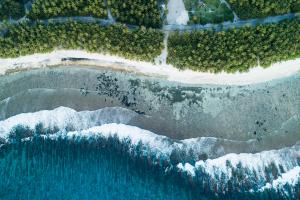
Providing Red Cross/Red Crescent practitioners with a complete project cycle framework and 59 adaptable tools for implementing community and school-based disaster risk education in Small Island Developing States.
Solution
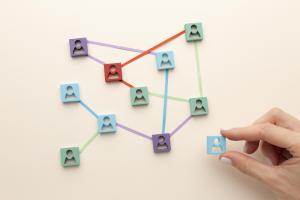
A network coordinating primary and secondary schools to integrate civil protection education into the curriculum through teacher training, age-stratified educational materials, curriculum development, and systematic engagement with civil protection volunteer organizations.
Case

A compact handbook and printable visual communication kit that equips first responders with the knowledge and tools to assist people with Autism Spectrum Disorder safely and effectively during emergencies.
Solution
A compact handbook and printable visual communication kit that equips first responders with the knowledge and tools to assist people with Autism Spectrum Disorder safely and effectively during emergencies.
Contribution
A network coordinating primary and secondary schools to integrate civil protection education into the curriculum through teacher training, age-stratified educational materials, curriculum development, and systematic engagement with civil protection volunteer organizations.
Contribution
Providing Red Cross/Red Crescent practitioners with a complete project cycle framework and 59 adaptable tools for implementing community and school-based disaster risk education in Small Island Developing States.
Contribution

An annual Italian programme that trains young people each year in disaster risk awareness and civil protection through immersive week-long camps.
Case

A policy and planning toolkit used by education and disaster risk management actors to assess, reduce, and manage risks affecting learners, educators, and education systems. The solution outlines foundations and pillars for systemic action to protect learners, keep schools open during crises, and build resilience through risk education and inclusive safety management.
The CSSF aims to:
Solution