The initiative combines participatory resilience assessment, university technical support and community engagement. A December 2023 Scorecard workshop identified data-management needs, leading the municipality and university to establish a dedicated data-collection portal.
Lessons learned / Practical Example
Suryodaya connects neighbourhood organisation with municipal disaster risk governance. Its 201 Tole Development Committees support preparedness and community mobilisation, working with ward and municipal authorities. Participatory assessment and planning connect local knowledge with technical risk analysis and municipal action.
Contribution
Municipal initiative integrating persons with disabilities into DRR and infrastructure planning through disaggregated data collection, workshops with caregivers and disability organisations, and a permanent communication forum linking communities and municipal departments.
Contribution
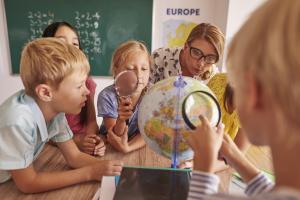
“Mettiamoci al sicuro — Conto su di te” (“Let’s Get to Safety — I’m Counting on You”) is a Civil Protection project designed for schools to teach children and young people how to behave in emergency situations. It was created out of the need to talk about safety in a simple, positive, and non-alarming way.
Case
“Mettiamoci al sicuro — Conto su di te” (“Let’s Get to Safety — I’m Counting on You”) is a Civil Protection project designed for schools to teach children and young people how to behave in emergency situations. It was created out of the need to talk about safety in a simple, positive, and non-alarming way.
Contribution

A free, curriculum-linked first aid teaching toolkit that enables any secondary school teacher across the UK to deliver first aid education to students.
Case
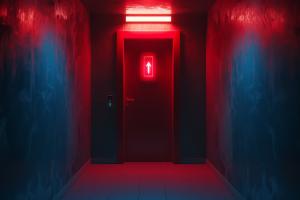
An immersive game-based learning experience that teaches disaster risk reduction and climate adaptation through collaborative problem-solving. Participants work together in a three-room installation to solve quizzes and puzzles to make their simulated community more resilient to natural hazards.
Solution
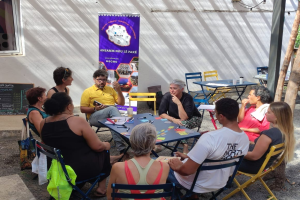
Cette démarche s’inspire de l’expérience québécoise du Regroupement des Organismes Humanitaires et Communautaires pour les Mesures d’Urgence à Montréal (ROHCMUM). Les outils de préparation aux situations d’urgence développés par l’AFPCNT, associés à des ateliers collectifs, permettent aux associations réunionnaises volontaires de réaliser leur Plan de mesures d’urgence et de solidarité.
Contribution
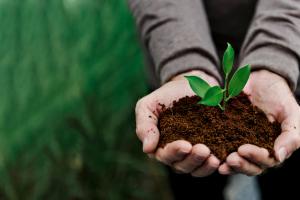
A global student-led programme that helps schools embed sustainability and environmental action into their curricula, campus, and communities through a structured Seven Step methodology.
Case
A global student-led programme that helps schools embed sustainability and environmental action into their curricula, campus, and communities through a structured Seven Step methodology.
Contribution