
Structured collaboration among stakeholders to enhance community resilience
Methodologies
A low-cost network of sensors built from open hardware that sends flood and mudflow alerts to officials and community leaders in Chosica, Peru.
Contribution
A five-step method for building flood early warning systems with local communities, municipalities and national weather and civil defence services in the Andes.
It was developed by CIIFEN, the International Research Centre on El Niño, under the regional programme PRASDES, which Finland’s foreign ministry financed. It joins the four components of early warning set out by the UN disaster-reduction office to an approach of the Organization of American States in which trained community volunteers operate simple rain and river-level instruments.
Contribution
In 2015-2016, residents of 19 communities in Escoma, Bolivia, mapped flood-prone areas with the municipality to build a local flood early warning system.
Contribution
In November 2023, communities in Butaleja and Mbale, Uganda, dug drainage ditches and reinforced flood barriers before forecast floods, supported by the Uganda Red Cross Society.
Contribution
Before the 2024/25 drought season, farmers in Mbire, Zimbabwe, helped plan and build water and livestock protection measures with Welthungerhilfe and its local partner.
Contribution
The initiative combines participatory resilience assessment, university technical support and community engagement. A December 2023 Scorecard workshop identified data-management needs, leading the municipality and university to establish a dedicated data-collection portal.
Contribution
Suryodaya connects neighbourhood organisation with municipal disaster risk governance. Its 201 Tole Development Committees support preparedness and community mobilisation, working with ward and municipal authorities. Participatory assessment and planning connect local knowledge with technical risk analysis and municipal action.
Contribution
Municipal initiative integrating persons with disabilities into DRR and infrastructure planning through disaggregated data collection, workshops with caregivers and disability organisations, and a permanent communication forum linking communities and municipal departments.
Contribution
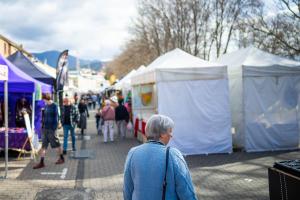
The project titled “Itinerant Civil Protection” (Protezione Civile Intinerante), supported by the Fondazione Cassa di Risparmio di Torino, aims to strengthen the dissemination of Civil Protection culture within the community through actions carried out across the entire municipal territory. It seeks to inform and raise awareness among the population about the risks that could affect the City of Turin, while also encouraging citizens to register for a personalized alert communication system.
Case