Vulnerability Assessment

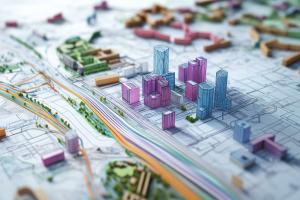
RiskMap is an open, transparent, web-based platform that collects verified, real-time disaster reports from citizens via social media/chatbots and visualizes them on an interactive map.
Residents report hazards (e.g., flood location/depth, road closures, storm damage) and the map helps communities avoid danger and navigate to safety.
Emergency managers can use the same data stream (and, in some deployments, a dedicated dashboard) to support situational awareness and response planning.

Contribution

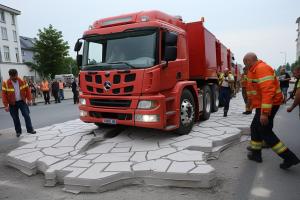
The "SMURD Mobile Training Center / Caravan – Be prepared" project is a truck-based mobile classroom providing hands-on first aid and emergency preparedness training to various locations in Romania.
It includes lectures and demonstrations using equipment and simulators, led by IGSU/SMURD staff.
The goal is to increase citizens' ability to respond appropriately when "every second counts," reducing the risks associated with events such as fires, floods, or earthquakes.

Contribution

The CBDRR approach developed by Solidarités International is a participatory methodology that places affected communities at the centre of disaster risk analysis, planning, and action. It combines local knowledge with technical expertise to identify hazards, vulnerabilities, and capacities, and translates this shared analysis into concrete preparedness, mitigation, and response measures implemented at community level.

Contribution

The project consists of three structured workshops: Explore (building awareness of risk and resilience through storytelling and games), Experience (role-playing emergency scenarios to practice safe behaviors), and Participate (hands-on engagement via VR or the dynamic team game “Corri il Rischio”). The initiative equips children with practical skills for emergency preparedness and fosters collaboration, decision-making, and climate crisis awareness, positioning Feel Safe as a pioneering model for integrating technology and education in resilience-building.

Contribution

The Palau CBDRR Toolkit strengthens “bottom-up” resilience by linking the national framework and state plans to the community/hamlet level. It covers preparedness topics such as early warning and operational procedures for disseminating alerts. It includes a participatory vulnerability assessment with attention to the needs of vulnerable groups. It promotes community engagement and an organized response through local committees (e.g., search and rescue and relief/assistance).

Contribution

Integrating people with disabilities into risk and disaster management.

Solution

Guiding schools to assess hazards, reduce risks, and co-design SOPs 

Solution

Supporting communities and ecosystems in disaster recovery and resilience

Solution

Providing planning resources, guidance, and strategies for community resilience.

Solution

Strategy aiming to strengthen disaster recovery planning

Solution