Providing Red Cross/Red Crescent practitioners with a complete project cycle framework and 59 adaptable tools for implementing community and school-based disaster risk education in Small Island Developing States.
Vulnerability Assessment
Contribution

An annual Italian programme that trains young people each year in disaster risk awareness and civil protection through immersive week-long camps.
Case

A policy and planning toolkit used by education and disaster risk management actors to assess, reduce, and manage risks affecting learners, educators, and education systems. The solution outlines foundations and pillars for systemic action to protect learners, keep schools open during crises, and build resilience through risk education and inclusive safety management.
The CSSF aims to:
Solution

A free, modular resilience guide that equips Red Cross Red Crescent branches and community-based organisations in urban areas to lead practical, low-cost activities that strengthen community preparedness and reduce disaster risk.
Solution
An immersive game-based learning experience that teaches disaster risk reduction and climate adaptation through collaborative problem-solving. Participants work together in a three-room installation to solve quizzes and puzzles to make their simulated community more resilient to natural hazards.
Contribution
An immersive safety education “experience village” that trains children and seniors to recognise risks and take safer decisions in real-life situations.
Case
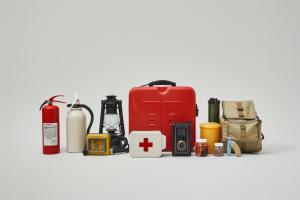
A practical household preparedness guide that helps people manage the first 72 hours of an emergency when essential services may be disrupted.
Solution
A free, curriculum-linked first aid teaching toolkit that enables any secondary school teacher across the UK to deliver first aid education to students.
Contribution
An annual Italian programme that trains young people each year in disaster risk awareness and civil protection through immersive week-long camps.
Contribution
A free, modular resilience guide that equips Red Cross Red Crescent branches and community-based organisations in urban areas to lead practical, low-cost activities that strengthen community preparedness and reduce disaster risk.
Contribution