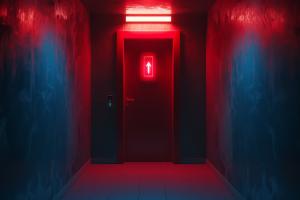
An immersive game-based learning experience that teaches disaster risk reduction and climate adaptation through collaborative problem-solving. Participants work together in a three-room installation to solve quizzes and puzzles to make their simulated community more resilient to natural hazards.
NUTS 2 (Region)
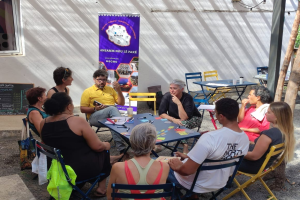
Cette démarche s’inspire de l’expérience québécoise du Regroupement des Organismes Humanitaires et Communautaires pour les Mesures d’Urgence à Montréal (ROHCMUM). Les outils de préparation aux situations d’urgence développés par l’AFPCNT, associés à des ateliers collectifs, permettent aux associations réunionnaises volontaires de réaliser leur Plan de mesures d’urgence et de solidarité.
Contribution
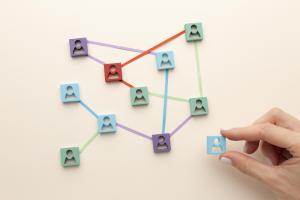
A network coordinating primary and secondary schools to integrate civil protection education into the curriculum through teacher training, age-stratified educational materials, curriculum development, and systematic engagement with civil protection volunteer organizations.
Case
A network coordinating primary and secondary schools to integrate civil protection education into the curriculum through teacher training, age-stratified educational materials, curriculum development, and systematic engagement with civil protection volunteer organizations.
Contribution
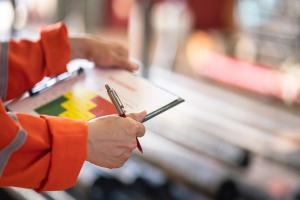
Provides emergency managers and disaster preparedness professionals with practical, step-by-step guidance for designing and conducting simulation exercises that test and strengthen response plans, procedures, and coordination systems across all hazards.
Solution
A comprehensive digital solution that equips residents and visitors of Estonia with standardized, actionable instructions to prepare for and respond to a wide array of crises, from natural disasters to cyber-attacks. The platform features an interactive household supply checklist, first-aid instructions, and survival guidelines tailored to the Estonian context. Its mobile application is designed to function entirely offline once downloaded, ensuring that citizens have uninterrupted access to life-saving information even during severe power or telecommunications outages.
Solution
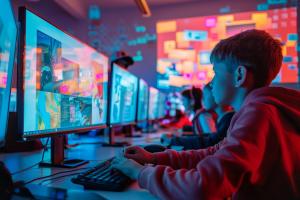
A global educational simulation that challenges players to act as disaster risk managers, tasking them with protecting communities against imminent natural hazards through strategic planning and resource management. In each 10-20 minute session, players navigate one of five scenarios - tsunami, hurricane, wildfire, earthquake, or flood - where they must decide how to spend a limited budget on structural and non-structural measures.
Solution
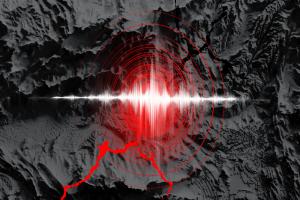
A comprehensive national communication initiative designed to provide Romanian citizens with standardized, life-saving behavioral guidelines for seismic events. The initiative utilizes high-visibility video spots, downloadable educational brochures for schools, and interactive digital content to replace common myths with scientifically backed "correct behaviors." By ensuring that every citizen knows how to "drop, cover, and hold on" and avoid dangerous actions like using elevators or running onto stairs, the campaign builds a culture of national seismic resilience.
Case
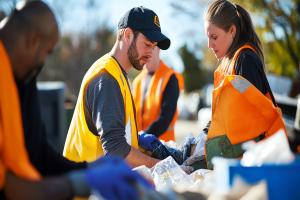
Professional emergency services may, at times, be limited in their response capacity and are often forced to focus their efforts on providing only the most essential assistance. Ready2Help is especially beneficial when a large number of people are quickly needed to provide extra support. This includes physical assistance (e.g. filling sandbags, carrying goods), sheltering groups of people, relieving healthcare personnel or providing assistance by making resources available (e.g. places to sleep or means of transport).
Solution
A digital platform and citizen network designed to mobilize local mutual aid and risk awareness through a "Citizen Volunteer" model before, during, and after disasters.
Solution