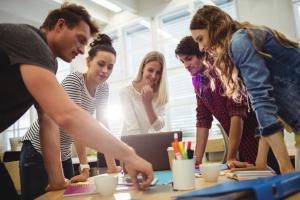
Structured collaboration among stakeholders to enhance community resilience
Stable Local
The initiative combines participatory resilience assessment, university technical support and community engagement. A December 2023 Scorecard workshop identified data-management needs, leading the municipality and university to establish a dedicated data-collection portal.
Contribution
Suryodaya connects neighbourhood organisation with municipal disaster risk governance. Its 201 Tole Development Committees support preparedness and community mobilisation, working with ward and municipal authorities. Participatory assessment and planning connect local knowledge with technical risk analysis and municipal action.
Contribution
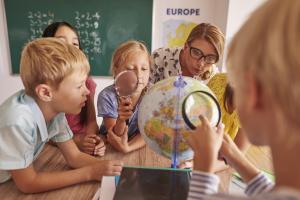
“Mettiamoci al sicuro — Conto su di te” (“Let’s Get to Safety — I’m Counting on You”) is a Civil Protection project designed for schools to teach children and young people how to behave in emergency situations. It was created out of the need to talk about safety in a simple, positive, and non-alarming way.
Case
“Mettiamoci al sicuro — Conto su di te” (“Let’s Get to Safety — I’m Counting on You”) is a Civil Protection project designed for schools to teach children and young people how to behave in emergency situations. It was created out of the need to talk about safety in a simple, positive, and non-alarming way.
Contribution
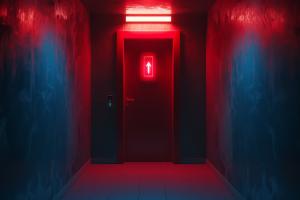
An immersive game-based learning experience that teaches disaster risk reduction and climate adaptation through collaborative problem-solving. Participants work together in a three-room installation to solve quizzes and puzzles to make their simulated community more resilient to natural hazards.
Solution
A global student-led programme that helps schools embed sustainability and environmental action into their curricula, campus, and communities through a structured Seven Step methodology.
Case
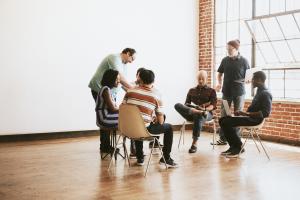
Life Skills is a series of low-threshold workshops by the Netherlands Red Cross supporting migrants, asylum seekers, and undocumented people by providing them with practical skills, boosting their self-reliance, and creating a safe and open space to discuss challenges and concerns with peers.
Case
Life Skills is a series of low-threshold workshops by the Netherlands Red Cross supporting migrants, asylum seekers, and undocumented people by providing them with practical skills, boosting their self-reliance, and creating a safe and open space to discuss challenges and concerns with peers.
Contribution
A global student-led programme that helps schools embed sustainability and environmental action into their curricula, campus, and communities through a structured Seven Step methodology.
Contribution