
Safecast designs and deploys open hardware and software tools that enable citizens and experts to collect, share and access high-quality environmental data. Originating from a post-disaster information gap, Safecast promotes transparency, public trust and evidence-based decision-making through open data and community-driven monitoring.
Multistakeholder

COPE Disaster Champions provides free illustrated children’s books, educational jingles and a digital platform to teach disaster preparedness and risk awareness. Through storytelling, visuals and simple action-oriented messages, the initiative empowers children to understand risks and adopt safe behaviours before, during and after disasters.
Solution
A structured system where Japanese municipalities and welfare institutions create personalized evacuation strategies for vulnerable people, verified through inclusive drills and coordinated with local support networks.
Case
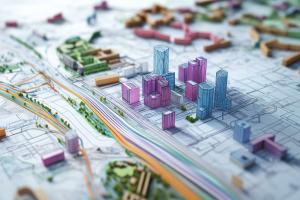
A multi-level assessment tool (Preliminary and Detailed) that allows cities to establish a baseline for resilience, identify gaps in preparedness, and prioritize actions and investments across various sectors.
Solution
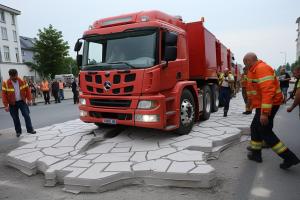
The "SMURD Mobile Training Center / Caravan – Be prepared" project is a truck-based mobile classroom providing hands-on first aid and emergency preparedness training to various locations in Romania.
It includes lectures and demonstrations using equipment and simulators, led by IGSU/SMURD staff.
The goal is to increase citizens' ability to respond appropriately when "every second counts," reducing the risks associated with events such as fires, floods, or earthquakes.
Case
RiskMap is an open, transparent, web-based platform that collects verified, real-time disaster reports from citizens via social media/chatbots and visualizes them on an interactive map.
Residents report hazards (e.g., flood location/depth, road closures, storm damage) and the map helps communities avoid danger and navigate to safety.
Emergency managers can use the same data stream (and, in some deployments, a dedicated dashboard) to support situational awareness and response planning.
Solution
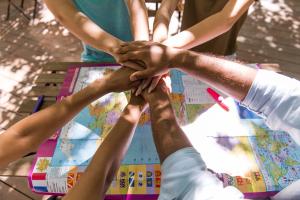
The Palau CBDRR Toolkit strengthens “bottom-up” resilience by linking the national framework and state plans to the community/hamlet level. It covers preparedness topics such as early warning and operational procedures for disseminating alerts. It includes a participatory vulnerability assessment with attention to the needs of vulnerable groups. It promotes community engagement and an organized response through local committees (e.g., search and rescue and relief/assistance).
Solution
A multi-level assessment tool (Preliminary and Detailed) that allows cities to establish a baseline for resilience, identify gaps in preparedness, and prioritize actions and investments across various sectors.
Contribution

Local Resilience Agents (LRAs) are community members trained in disaster risk reduction, first aid, and search and rescue to supplement local government capacity and disseminate early warnings.
Case

“Terremoti d’Italia” (Earthquakes of Italy) is a touring exhibition promoted by the Italian Department of Civil Protection, designed to raise public awareness and understanding of seismic risk in Italy. The project combines scientific knowledge, historical memory, technological innovation, and experiential learning to strengthen a culture of prevention. Through an accessible, interactive, and multidisciplinary approach, the exhibition engages citizens of all ages, particularly young people, encouraging them to take an active role in disaster risk reduction.
Case