The project titled “Itinerant Civil Protection” (Protezione Civile Intinerante), supported by the Fondazione Cassa di Risparmio di Torino, aims to strengthen the dissemination of Civil Protection culture within the community through actions carried out across the entire municipal territory. It seeks to inform and raise awareness among the population about the risks that could affect the City of Turin, while also encouraging citizens to register for a personalized alert communication system.
Centralised

“Mettiamoci al sicuro — Conto su di te” (“Let’s Get to Safety — I’m Counting on You”) is a Civil Protection project designed for schools to teach children and young people how to behave in emergency situations. It was created out of the need to talk about safety in a simple, positive, and non-alarming way.
Case
“Mettiamoci al sicuro — Conto su di te” (“Let’s Get to Safety — I’m Counting on You”) is a Civil Protection project designed for schools to teach children and young people how to behave in emergency situations. It was created out of the need to talk about safety in a simple, positive, and non-alarming way.
Contribution
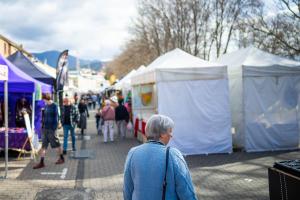
The project titled “Itinerant Civil Protection” (Protezione Civile Intinerante), supported by the Fondazione Cassa di Risparmio di Torino, aims to strengthen the dissemination of Civil Protection culture within the community through actions carried out across the entire municipal territory. It seeks to inform and raise awareness among the population about the risks that could affect the City of Turin, while also encouraging citizens to register for a personalized alert communication system.
Contribution

An immersive game-based learning experience that teaches disaster risk reduction and climate adaptation through collaborative problem-solving. Participants work together in a three-room installation to solve quizzes and puzzles to make their simulated community more resilient to natural hazards.
Solution

A network coordinating primary and secondary schools to integrate civil protection education into the curriculum through teacher training, age-stratified educational materials, curriculum development, and systematic engagement with civil protection volunteer organizations.
Case

A compact handbook and printable visual communication kit that equips first responders with the knowledge and tools to assist people with Autism Spectrum Disorder safely and effectively during emergencies.
Solution
A compact handbook and printable visual communication kit that equips first responders with the knowledge and tools to assist people with Autism Spectrum Disorder safely and effectively during emergencies.
Contribution
A network coordinating primary and secondary schools to integrate civil protection education into the curriculum through teacher training, age-stratified educational materials, curriculum development, and systematic engagement with civil protection volunteer organizations.
Contribution

Provides emergency managers and disaster preparedness professionals with practical, step-by-step guidance for designing and conducting simulation exercises that test and strengthen response plans, procedures, and coordination systems across all hazards.
Solution