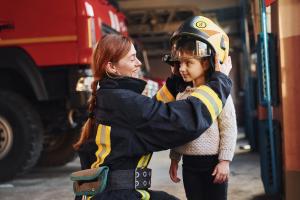
A nationwide, recurring fire-risk awareness and prevention campaign that uses experiential learning and direct interaction with firefighters to improve household preparedness and reduce fire-related injuries and damage.
Elderly
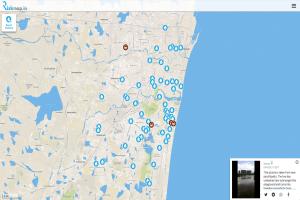
RiskMap is an open, transparent, web-based platform that collects verified, real-time disaster reports from citizens via social media/chatbots and visualizes them on an interactive map.
Residents report hazards (e.g., flood location/depth, road closures, storm damage) and the map helps communities avoid danger and navigate to safety.
Emergency managers can use the same data stream (and, in some deployments, a dedicated dashboard) to support situational awareness and response planning.
Contribution
The "SMURD Mobile Training Center / Caravan – Be prepared" project is a truck-based mobile classroom providing hands-on first aid and emergency preparedness training to various locations in Romania.
It includes lectures and demonstrations using equipment and simulators, led by IGSU/SMURD staff.
The goal is to increase citizens' ability to respond appropriately when "every second counts," reducing the risks associated with events such as fires, floods, or earthquakes.
Contribution
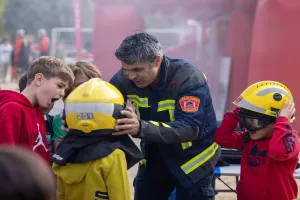
A nationwide, recurring fire-risk awareness and prevention campaign that uses experiential learning and direct interaction with firefighters to improve household preparedness and reduce fire-related injuries and damage.
Contribution
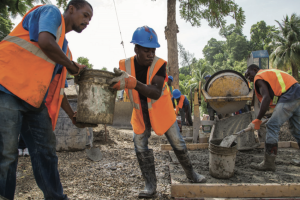
The CBDRR approach developed by Solidarités International is a participatory methodology that places affected communities at the centre of disaster risk analysis, planning, and action. It combines local knowledge with technical expertise to identify hazards, vulnerabilities, and capacities, and translates this shared analysis into concrete preparedness, mitigation, and response measures implemented at community level.
Contribution
A qualitative study analysing how hill-based households in Napier could support tsunami evacuees after a major earthquake, focusing on social capital, preparedness, and informal hosting capacity.
Contribution
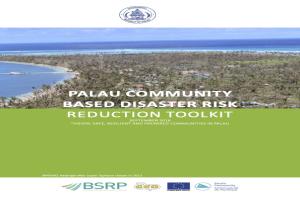
The Palau CBDRR Toolkit strengthens “bottom-up” resilience by linking the national framework and state plans to the community/hamlet level. It covers preparedness topics such as early warning and operational procedures for disseminating alerts. It includes a participatory vulnerability assessment with attention to the needs of vulnerable groups. It promotes community engagement and an organized response through local committees (e.g., search and rescue and relief/assistance).
Contribution
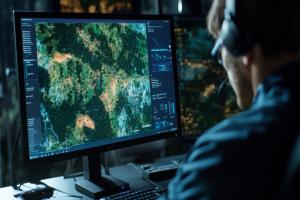
Platform centralising resources, exercises, and emergency preparedness support
Solution
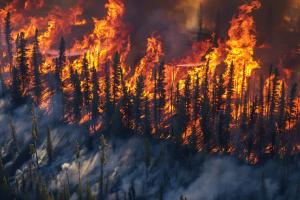
Community-led resilience model for improving wildfire preparedness and recovery
Case