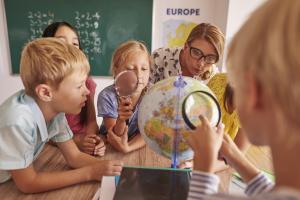
“Mettiamoci al sicuro — Conto su di te” (“Let’s Get to Safety — I’m Counting on You”) is a Civil Protection project designed for schools to teach children and young people how to behave in emergency situations. It was created out of the need to talk about safety in a simple, positive, and non-alarming way.
Urban
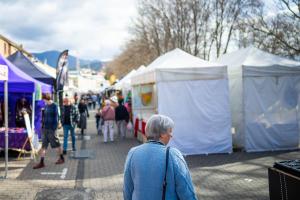
The project titled “Itinerant Civil Protection” (Protezione Civile Intinerante), supported by the Fondazione Cassa di Risparmio di Torino, aims to strengthen the dissemination of Civil Protection culture within the community through actions carried out across the entire municipal territory. It seeks to inform and raise awareness among the population about the risks that could affect the City of Turin, while also encouraging citizens to register for a personalized alert communication system.
Contribution

A free, curriculum-linked first aid teaching toolkit that enables any secondary school teacher across the UK to deliver first aid education to students.
Case
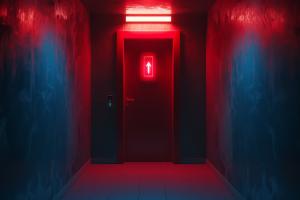
An immersive game-based learning experience that teaches disaster risk reduction and climate adaptation through collaborative problem-solving. Participants work together in a three-room installation to solve quizzes and puzzles to make their simulated community more resilient to natural hazards.
Solution
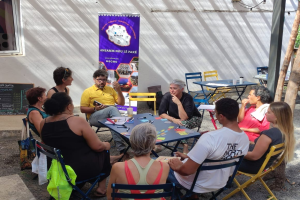
Cette démarche s’inspire de l’expérience québécoise du Regroupement des Organismes Humanitaires et Communautaires pour les Mesures d’Urgence à Montréal (ROHCMUM). Les outils de préparation aux situations d’urgence développés par l’AFPCNT, associés à des ateliers collectifs, permettent aux associations réunionnaises volontaires de réaliser leur Plan de mesures d’urgence et de solidarité.
Contribution
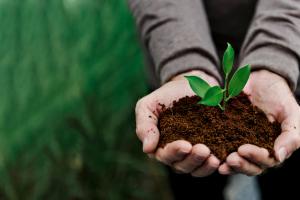
A global student-led programme that helps schools embed sustainability and environmental action into their curricula, campus, and communities through a structured Seven Step methodology.
Case

Life Skills is a series of low-threshold workshops by the Netherlands Red Cross supporting migrants, asylum seekers, and undocumented people by providing them with practical skills, boosting their self-reliance, and creating a safe and open space to discuss challenges and concerns with peers.
Case

The 'Emergency Awareness' Workshops aims to strengthen people and community preparedness in crises and emergencies. The workshops are designed to align preparedness activities with crises that have a high likelihood and high societal impact: hazardous materials incidents, flooding, extreme weather, blackouts, epidemics and wildfires. The workshops use an interactive, small group serious game to introduce concrete preparedness actions. Participants jointly prepare a fictional persona for an upcoming crisis and later reflect on what these actions mean for their own situation.
Case
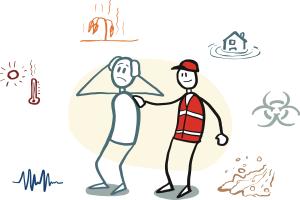
The 'Emergency Awareness' Workshops aims to strengthen people and community preparedness in crises and emergencies. The workshops are designed to align preparedness activities with crises that have a high likelihood and high societal impact: hazardous materials incidents, flooding, extreme weather, blackouts, epidemics and wildfires. The workshops use an interactive, small group serious game to introduce concrete preparedness actions. Participants jointly prepare a fictional persona for an upcoming crisis and later reflect on what these actions mean for their own situation.
Contribution
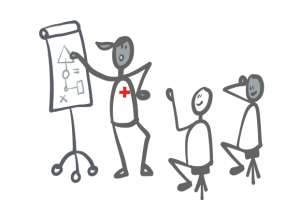
Life Skills is a series of low-threshold workshops by the Netherlands Red Cross supporting migrants, asylum seekers, and undocumented people by providing them with practical skills, boosting their self-reliance, and creating a safe and open space to discuss challenges and concerns with peers.
Contribution