
Safecast designs and deploys open hardware and software tools that enable citizens and experts to collect, share and access high-quality environmental data. Originating from a post-disaster information gap, Safecast promotes transparency, public trust and evidence-based decision-making through open data and community-driven monitoring.
Research And Reports

COPE Disaster Champions provides free illustrated children’s books, educational jingles and a digital platform to teach disaster preparedness and risk awareness. Through storytelling, visuals and simple action-oriented messages, the initiative empowers children to understand risks and adopt safe behaviours before, during and after disasters.
Solution
A multi-level assessment tool (Preliminary and Detailed) that allows cities to establish a baseline for resilience, identify gaps in preparedness, and prioritize actions and investments across various sectors.
Solution
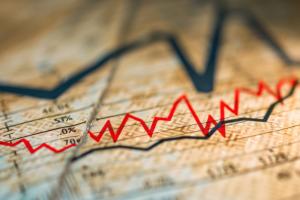
RiskMap is an open, transparent, web-based platform that collects verified, real-time disaster reports from citizens via social media/chatbots and visualizes them on an interactive map.
Residents report hazards (e.g., flood location/depth, road closures, storm damage) and the map helps communities avoid danger and navigate to safety.
Emergency managers can use the same data stream (and, in some deployments, a dedicated dashboard) to support situational awareness and response planning.
Solution
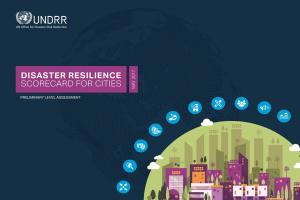
A multi-level assessment tool (Preliminary and Detailed) that allows cities to establish a baseline for resilience, identify gaps in preparedness, and prioritize actions and investments across various sectors.
Contribution
Ready.gov provides a comprehensive framework for individual and community preparedness, focusing on four pillars: staying informed, making a plan, building a kit, and getting involved.
Contribution

The Regional Tsunami Project is a regional initiative launched in 2017 by UNDP with funding from the Government of Japan to strengthen tsunami preparedness in schools and communities across the Asia-Pacific. The project works with governments and school systems to institutionalize risk education and evacuation drills, improve evacuation planning and routes, and make the drills regular and replicable.
Case
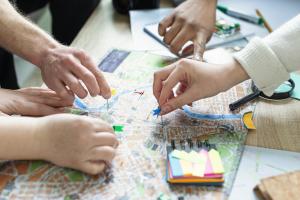
ARC’s CBDP toolkit helps communities turn data on risks, vulnerabilities, and capacities into a practical disaster preparedness and response plan. It was developed in Afghanistan, where poverty, weak infrastructure, and environmental degradation increase the impact of floods, droughts, landslides, and other hazards. The approach is participatory (focus groups, observation, feedback) and involves local structures such as the CDMC/CDC, with actions phased into emergency, short, medium, and long-term. It also integrates environmental aspects and climate projections.
Solution
The Territori Aperti Disaster Preparedness Toolkit is a dynamic tool that gathers existing experiences and transforms them into useful recommendations and procedures for public bodies and citizens.
Solution
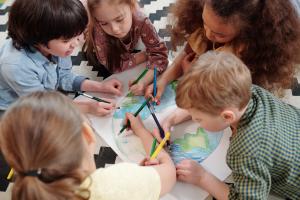
This guide provides practical strategies for engaging children as active participants in disaster risk reduction. It frames children not merely as vulnerable groups but as agents capable of contributing ideas, identifying risks, and supporting community preparedness. Through participatory methods, case studies, and hands-on activities, the guide demonstrates how children can be meaningfully involved in planning, prevention, and resilience-building at the community level.
Solution