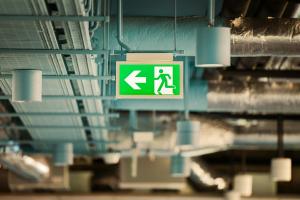
A structured system where Japanese municipalities and welfare institutions create personalized evacuation strategies for vulnerable people, verified through inclusive drills and coordinated with local support networks.
Spontaneous Volunteers
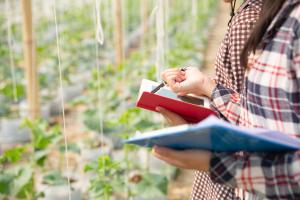
Local Resilience Agents (LRAs) are community members trained in disaster risk reduction, first aid, and search and rescue to supplement local government capacity and disseminate early warnings.
Case
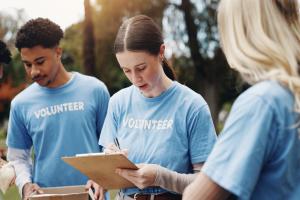
The Student Volunteer Army (SVA) is a youth-led, university- and school-based volunteer initiative in New Zealand, focused on building resilient communities through crisis response and ongoing community support. The organisation mobilises tens of thousands of volunteers to assist communities during and after disasters, while cultivating a culture of service and leadership among young people. Partnerships with organisations and funders amplify SVA’s reach and impact.
Case
Ready.gov provides a comprehensive framework for individual and community preparedness, focusing on four pillars: staying informed, making a plan, building a kit, and getting involved.
Contribution
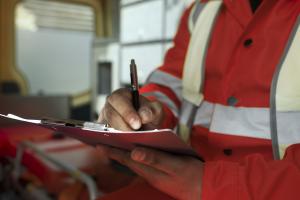
The Territori Aperti Disaster Preparedness Toolkit is a dynamic tool that gathers existing experiences and transforms them into useful recommendations and procedures for public bodies and citizens.
Solution
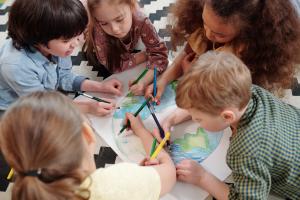
This guide provides practical strategies for engaging children as active participants in disaster risk reduction. It frames children not merely as vulnerable groups but as agents capable of contributing ideas, identifying risks, and supporting community preparedness. Through participatory methods, case studies, and hands-on activities, the guide demonstrates how children can be meaningfully involved in planning, prevention, and resilience-building at the community level.
Solution
A structured system where Japanese municipalities and welfare institutions create personalized evacuation strategies for vulnerable people, verified through inclusive drills and coordinated with local support networks.
Contribution
MAG-DER coordinates a standardised neighbourhood disaster volunteer model built on a 36-hour training programme (theory and fieldwork), volunteer team organisation, and “Neighbourhood Disaster Support Centers” (equipment containers) linked via radio to provincial crisis structures, with volunteer-led maintenance and periodic checks.
Case
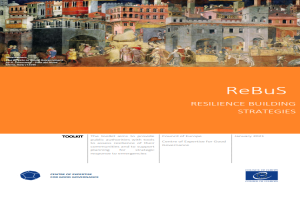
ReBuS provides a structured methodological framework and operational tools to assess community resilience and to guide strategic planning and public action in the context of crises, emergencies, and systemic change, through a holistic, participatory and multi-level approach.
Contribution
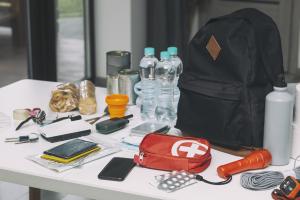
Get Ready (NEMA - New Zealand) is a national preparedness platform that offers practical instructions for preparing for and responding to multi-risk emergencies (before, during, and after).
The site addresses the problem of low self-sufficiency in a crisis, promoting family/community plans, kits, and supplies (e.g., water and grab bags). It includes specific guidance for vulnerable groups (disabilities, the elderly, children) and pets, with accessible and multilingual resources.
Case