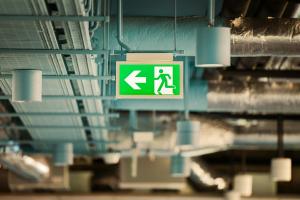
A structured system where Japanese municipalities and welfare institutions create personalized evacuation strategies for vulnerable people, verified through inclusive drills and coordinated with local support networks.
Stable Local
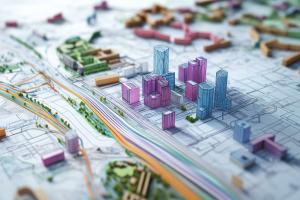
A multi-level assessment tool (Preliminary and Detailed) that allows cities to establish a baseline for resilience, identify gaps in preparedness, and prioritize actions and investments across various sectors.
Solution
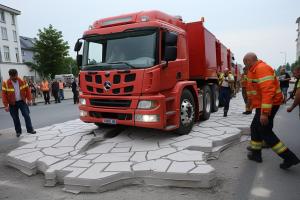
The "SMURD Mobile Training Center / Caravan – Be prepared" project is a truck-based mobile classroom providing hands-on first aid and emergency preparedness training to various locations in Romania.
It includes lectures and demonstrations using equipment and simulators, led by IGSU/SMURD staff.
The goal is to increase citizens' ability to respond appropriately when "every second counts," reducing the risks associated with events such as fires, floods, or earthquakes.
Case

RiskMap is an open, transparent, web-based platform that collects verified, real-time disaster reports from citizens via social media/chatbots and visualizes them on an interactive map.
Residents report hazards (e.g., flood location/depth, road closures, storm damage) and the map helps communities avoid danger and navigate to safety.
Emergency managers can use the same data stream (and, in some deployments, a dedicated dashboard) to support situational awareness and response planning.
Solution
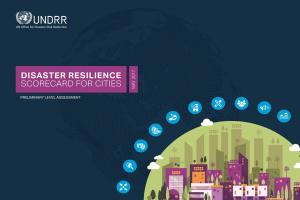
A multi-level assessment tool (Preliminary and Detailed) that allows cities to establish a baseline for resilience, identify gaps in preparedness, and prioritize actions and investments across various sectors.
Contribution
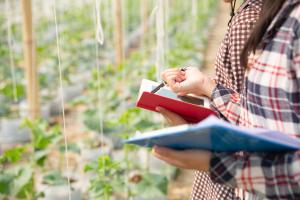
Local Resilience Agents (LRAs) are community members trained in disaster risk reduction, first aid, and search and rescue to supplement local government capacity and disseminate early warnings.
Case
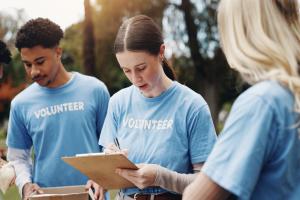
The Student Volunteer Army (SVA) is a youth-led, university- and school-based volunteer initiative in New Zealand, focused on building resilient communities through crisis response and ongoing community support. The organisation mobilises tens of thousands of volunteers to assist communities during and after disasters, while cultivating a culture of service and leadership among young people. Partnerships with organisations and funders amplify SVA’s reach and impact.
Case
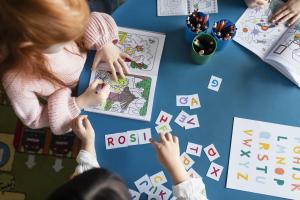
RisKIT is an educational game designed for primary schools that combines learning and fun to raise awareness among children about environmental risks and prevention measures. It includes practical exercises such as creating a risk calendar and an emergency kit, while also integrating knowledge of children’s rights in crisis situations. The goal is to develop collaboration and responsibility skills from an early age.
Solution
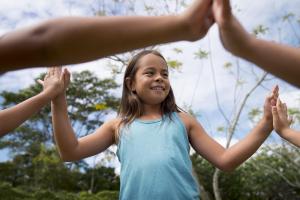
This manual presents the results of the work carried out within the CUIDAR project (Horizon 2020), focused on promoting a disaster resilience culture that actively includes children and adolescents. The manual documents activities conducted in Italy, Spain, Portugal, Greece, and the United Kingdom, showing how young people are not only vulnerable subjects but can also become key actors in disaster prevention, preparedness, and response.
Solution

In emergency situations, the rights of children and adolescents risk being violated, ignored, or underestimated due to the need to intervene quickly on aspects related to primary needs. Based on experience gained internationally and in national emergency contexts, Save the Children Italia offers practical recommendations to ensure safety, educational continuity, psychological support, and child participation, emphasizing respect for children’s rights and strengthening community resilience.
Solution