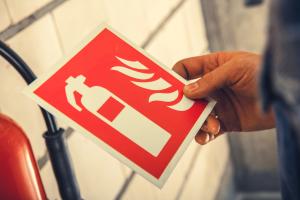
A comprehensive fire prevention toolkit and guidance system designed to help residents identify and mitigate fire risks within their homes. The solution integrates a physical/digital guide with the "Home Fire Safety Checker," an online tool that categorizes household risk levels. Based on the results, the system offers tailored advice or triggers a professional home fire safety visit from local fire crews. It covers a wide range of hazards, including lithium battery safety, electrical maintenance, and specialized escape protocols for high-rise buildings.
Multi Hazard Strategy

A community-based educational board game that helps participants learn about natural hazards, preparedness actions, and response behaviours relevant to island environments. It is supported by a structured facilitator manual to ensure accurate learning outcomes.
The solution aims to increase disaster risk awareness and preparedness through interactive learning, enabling participants to recognise local hazards, understand appropriate preparedness actions, and discuss risk-reducing behaviours relevant to Seychelles island communities.
Solution
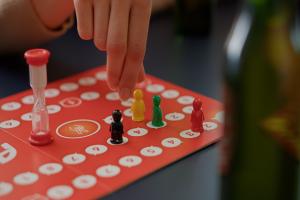
A board-game-based educational toolkit that helps children understand hazards and disaster risk reduction through interactive gameplay and structured learning activities.
Solution
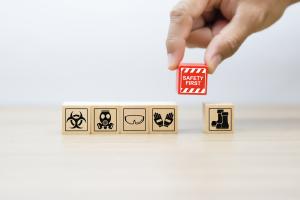
A free, evidence-based educational card game that teaches children aged 6–12 how to prepare for and respond to natural hazards through play.
The resource is intended for classrooms, families, and community/youth groups and is supported by printable game cards, educator support sheets, and short “how to play” videos. The game and support materials were developed using evidence and co-design input from resilience professionals, emergency responders, and education experts, and were play-tested with end users.
Solution

A primary-school preparedness programme that teaches children what to do in emergencies through interactive lessons and an online game.
Developed by the National Crisis Centre, the programme consists of downloadable interactive teaching kits structured in three levels (aligned with primary education learning objectives), parent brochures to extend learning at home, and a web-based game (“BE-Ready”) that lets pupils practice choices under time pressure in simulated emergencies.
Case
An immersive safety education “experience village” that trains children and seniors to recognise risks and take safer decisions in real-life situations.
Case

A national preparedness campaign that gives the public clear, practical steps to prepare for disasters and emergencies.
Ready.gov offers all-hazards and hazard-specific guidance - plans, supply kits, alerts and warnings, and recovery actions, with dedicated sections for Ready Kids and Ready Business that tailor preparedness actions to schools/families and the private sector.
Case
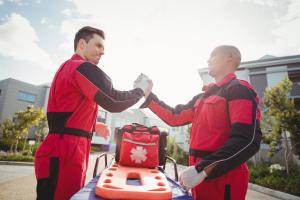
A community training programme that turns residents into organised, trained volunteers who can support emergency response and recovery in their neighbourhoods.
Case
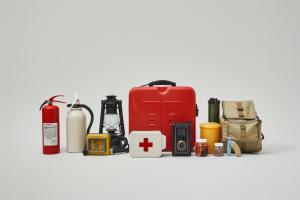
A practical household preparedness guide that helps people manage the first 72 hours of an emergency when essential services may be disrupted.
Solution
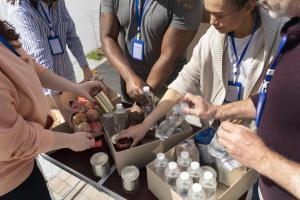
The Disaster Recovery Toolkit for Local Government is a modular guide that helps local authorities prepare for, manage, and sustain disaster recovery across the full recovery timeline.
Solution