A free, modular resilience guide that equips Red Cross Red Crescent branches and community-based organisations in urban areas to lead practical, low-cost activities that strengthen community preparedness and reduce disaster risk.
General Preparedness
A community-based educational board game that helps participants learn about natural hazards, preparedness actions, and response behaviours relevant to island environments. It is supported by a structured facilitator manual to ensure accurate learning outcomes.
The solution aims to increase disaster risk awareness and preparedness through interactive learning, enabling participants to recognise local hazards, understand appropriate preparedness actions, and discuss risk-reducing behaviours relevant to Seychelles island communities.
Contribution
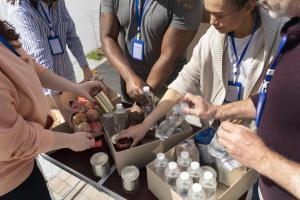
The Disaster Recovery Toolkit for Local Government is a modular guide that helps local authorities prepare for, manage, and sustain disaster recovery across the full recovery timeline.
Contribution
A national preparedness campaign that gives the public clear, practical steps to prepare for disasters and emergencies.
Ready.gov offers all-hazards and hazard-specific guidance - plans, supply kits, alerts and warnings, and recovery actions, with dedicated sections for Ready Kids and Ready Business that tailor preparedness actions to schools/families and the private sector.
Contribution
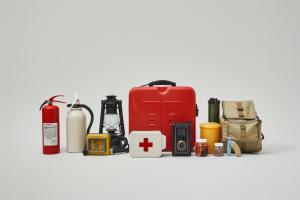
A practical household preparedness guide that helps people manage the first 72 hours of an emergency when essential services may be disrupted.
Contribution

COPE Disaster Champions provides free illustrated children’s books, educational jingles and a digital platform to teach disaster preparedness and risk awareness. Through storytelling, visuals and simple action-oriented messages, the initiative empowers children to understand risks and adopt safe behaviours before, during and after disasters.
Solution
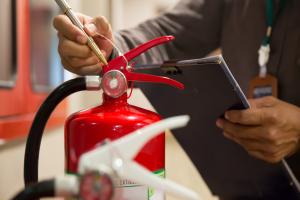
The Fire Kills campaign (UK) aims to reduce deaths and injuries from home fires by promoting prevention, early detection, and escape plans. The focus is on increasing the number and proper placement of smoke detectors (including interconnected ones) and improving safe behaviors at home. It offers practical advice on common risks and what to do in the event of a fire. It focuses on vulnerable groups (elderly, disabled, and hearing-impaired) and provides information on possible local home fire safety visits.
Case
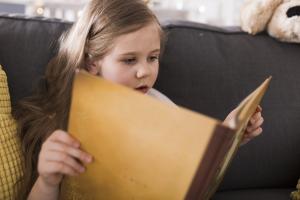

“Who’s most at risk?” is a tested and freely available educational toolkit consisting of teacher’s notes, pupil activity sheets, character profiles, key-word lists, chance cards and hazard scenario cards. It supports a 15–20 minute role-play in which pupils adopt the identities of people living in different parts of the world and physically move forwards or backwards according to statements about age, income, education, housing, disability, location and access to information or savings.
Solution
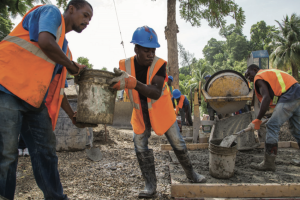
The CBDRR approach developed by Solidarités International is a participatory methodology that places affected communities at the centre of disaster risk analysis, planning, and action. It combines local knowledge with technical expertise to identify hazards, vulnerabilities, and capacities, and translates this shared analysis into concrete preparedness, mitigation, and response measures implemented at community level.
Solution