The solution provides ready-to-use, scenario-based materials that help organisations simulate cyber incidents and strengthen their response coordination and decision-making capacity. The packages include facilitator guides, scenario narratives, injects, and evaluation tools that enable organisations to conduct structured discussion-based exercises without requiring technical simulation infrastructure.
Collaboration

This guide provides practical strategies for engaging children as active participants in disaster risk reduction. It frames children not merely as vulnerable groups but as agents capable of contributing ideas, identifying risks, and supporting community preparedness. Through participatory methods, case studies, and hands-on activities, the guide demonstrates how children can be meaningfully involved in planning, prevention, and resilience-building at the community level.
Solution
ReBuS provides a structured methodological framework and operational tools to assess community resilience and to guide strategic planning and public action in the context of crises, emergencies, and systemic change, through a holistic, participatory and multi-level approach.
Solution

EDURES provides a comprehensive conceptual and operational toolkit for assessing, planning and strengthening the resilience of educational ecosystems, enabling education authorities and stakeholders to prepare for, respond to and adapt to crises while ensuring continuity, accessibility and democratic values in education.
Solution
A structured system where Japanese municipalities and welfare institutions create personalized evacuation strategies for vulnerable people, verified through inclusive drills and coordinated with local support networks.
Case
The Palau CBDRR Toolkit strengthens “bottom-up” resilience by linking the national framework and state plans to the community/hamlet level. It covers preparedness topics such as early warning and operational procedures for disseminating alerts. It includes a participatory vulnerability assessment with attention to the needs of vulnerable groups. It promotes community engagement and an organized response through local committees (e.g., search and rescue and relief/assistance).
Solution
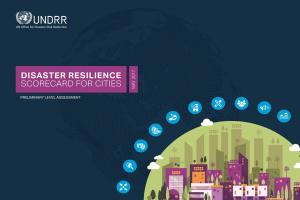
A multi-level assessment tool (Preliminary and Detailed) that allows cities to establish a baseline for resilience, identify gaps in preparedness, and prioritize actions and investments across various sectors.
Contribution
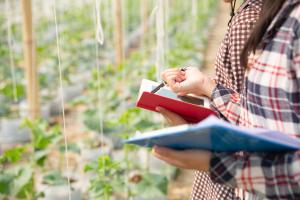
Local Resilience Agents (LRAs) are community members trained in disaster risk reduction, first aid, and search and rescue to supplement local government capacity and disseminate early warnings.
Case
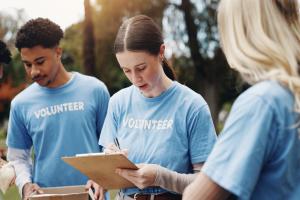
The Student Volunteer Army (SVA) is a youth-led, university- and school-based volunteer initiative in New Zealand, focused on building resilient communities through crisis response and ongoing community support. The organisation mobilises tens of thousands of volunteers to assist communities during and after disasters, while cultivating a culture of service and leadership among young people. Partnerships with organisations and funders amplify SVA’s reach and impact.
Case
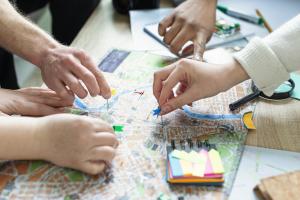
ARC’s CBDP toolkit helps communities turn data on risks, vulnerabilities, and capacities into a practical disaster preparedness and response plan. It was developed in Afghanistan, where poverty, weak infrastructure, and environmental degradation increase the impact of floods, droughts, landslides, and other hazards. The approach is participatory (focus groups, observation, feedback) and involves local structures such as the CDMC/CDC, with actions phased into emergency, short, medium, and long-term. It also integrates environmental aspects and climate projections.
Solution