The solution provides ready-to-use, scenario-based materials that help organisations simulate cyber incidents and strengthen their response coordination and decision-making capacity. The packages include facilitator guides, scenario narratives, injects, and evaluation tools that enable organisations to conduct structured discussion-based exercises without requiring technical simulation infrastructure.
Policy Makers
A community-based educational board game that helps participants learn about natural hazards, preparedness actions, and response behaviours relevant to island environments. It is supported by a structured facilitator manual to ensure accurate learning outcomes.
The solution aims to increase disaster risk awareness and preparedness through interactive learning, enabling participants to recognise local hazards, understand appropriate preparedness actions, and discuss risk-reducing behaviours relevant to Seychelles island communities.
Contribution
A free, evidence-based educational card game that teaches children aged 6–12 how to prepare for and respond to natural hazards through play.
The resource is intended for classrooms, families, and community/youth groups and is supported by printable game cards, educator support sheets, and short “how to play” videos. The game and support materials were developed using evidence and co-design input from resilience professionals, emergency responders, and education experts, and were play-tested with end users.
Contribution
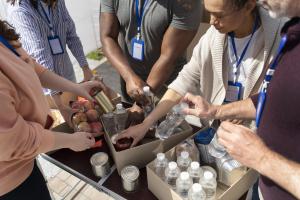
The Disaster Recovery Toolkit for Local Government is a modular guide that helps local authorities prepare for, manage, and sustain disaster recovery across the full recovery timeline.
Contribution

The Tokyo Resilience Project is a city-wide preparedness programme that equips residents with practical tools and learning experiences to improve everyday disaster readiness.
In practice, the project operates as a multi-hazard resilience “umbrella”: it strengthens physical protection (e.g., regulating reservoirs and river measures; coastal protection and sea-level-rise readiness; upgrading buildings and lifelines) while also trying to make preparedness “everyday” through accessible products and outreach. Examples of public-facing outputs include:
Contribution
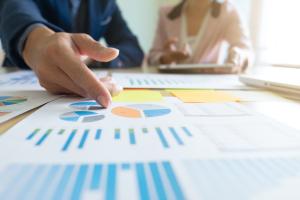
ReBuS provides a structured methodological framework and operational tools to assess community resilience and to guide strategic planning and public action in the context of crises, emergencies, and systemic change, through a holistic, participatory and multi-level approach.
Solution

EDURES provides a comprehensive conceptual and operational toolkit for assessing, planning and strengthening the resilience of educational ecosystems, enabling education authorities and stakeholders to prepare for, respond to and adapt to crises while ensuring continuity, accessibility and democratic values in education.
Solution
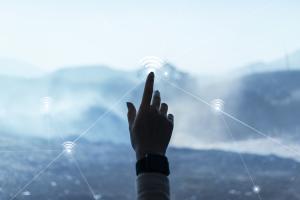
Safecast designs and deploys open hardware and software tools that enable citizens and experts to collect, share and access high-quality environmental data. Originating from a post-disaster information gap, Safecast promotes transparency, public trust and evidence-based decision-making through open data and community-driven monitoring.
Solution
A structured system where Japanese municipalities and welfare institutions create personalized evacuation strategies for vulnerable people, verified through inclusive drills and coordinated with local support networks.
Case
A multi-level assessment tool (Preliminary and Detailed) that allows cities to establish a baseline for resilience, identify gaps in preparedness, and prioritize actions and investments across various sectors.
Solution