A printable, facilitator-led game that teaches teenagers practical safety behaviours for floods and wildfires through riddles, cooperative mini-games, and a debrief discussion.
The toolkit places participants in a scenario where they have 30 minutes to support a local councillor by identifying “good practices” for protecting people and reducing risk. It is designed for group play (4–6 participants) with an adult activity leader and ends with a structured debrief to consolidate learning.
Civil Society And Local Actors
Contribution
A free, evidence-based educational card game that teaches children aged 6–12 how to prepare for and respond to natural hazards through play.
The resource is intended for classrooms, families, and community/youth groups and is supported by printable game cards, educator support sheets, and short “how to play” videos. The game and support materials were developed using evidence and co-design input from resilience professionals, emergency responders, and education experts, and were play-tested with end users.
Contribution
An immersive safety education “experience village” that trains children and seniors to recognise risks and take safer decisions in real-life situations.
Contribution
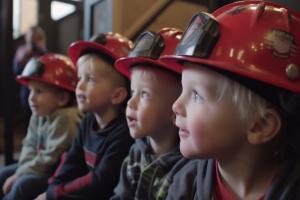
A short video series that teaches kindergarten-age children fire safety through a puppet character and simple, memorable stories.
The episodes explain practical fire prevention and safe behaviour in a child-friendly way and introduce the role of firefighters, fire station equipment, and what happens during an emergency. The series is published online so educators and families can use it repeatedly in classrooms or at home.
Contribution
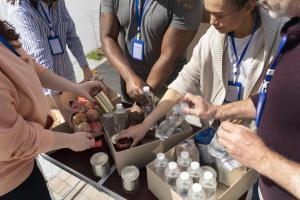
The Disaster Recovery Toolkit for Local Government is a modular guide that helps local authorities prepare for, manage, and sustain disaster recovery across the full recovery timeline.
Contribution
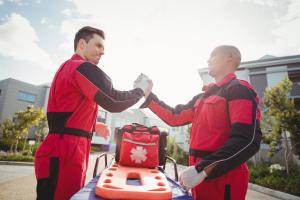
A community training programme that turns residents into organised, trained volunteers who can support emergency response and recovery in their neighbourhoods.
Contribution

The Tokyo Resilience Project is a city-wide preparedness programme that equips residents with practical tools and learning experiences to improve everyday disaster readiness.
In practice, the project operates as a multi-hazard resilience “umbrella”: it strengthens physical protection (e.g., regulating reservoirs and river measures; coastal protection and sea-level-rise readiness; upgrading buildings and lifelines) while also trying to make preparedness “everyday” through accessible products and outreach. Examples of public-facing outputs include:
Contribution
A national preparedness campaign that gives the public clear, practical steps to prepare for disasters and emergencies.
Ready.gov offers all-hazards and hazard-specific guidance - plans, supply kits, alerts and warnings, and recovery actions, with dedicated sections for Ready Kids and Ready Business that tailor preparedness actions to schools/families and the private sector.
Contribution
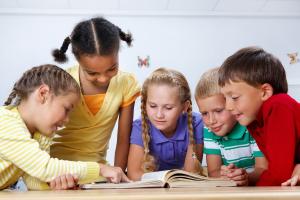
This guide provides practical strategies for engaging children as active participants in disaster risk reduction. It frames children not merely as vulnerable groups but as agents capable of contributing ideas, identifying risks, and supporting community preparedness. Through participatory methods, case studies, and hands-on activities, the guide demonstrates how children can be meaningfully involved in planning, prevention, and resilience-building at the community level.
Solution

EDURES provides a comprehensive conceptual and operational toolkit for assessing, planning and strengthening the resilience of educational ecosystems, enabling education authorities and stakeholders to prepare for, respond to and adapt to crises while ensuring continuity, accessibility and democratic values in education.
Solution