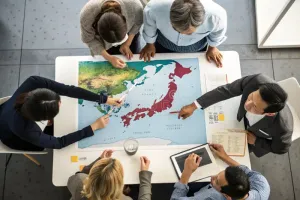
After the 1995 Kobe earthquake, residents of North Rokko used the participatory Machizukuri model to create alternative reconstruction plans, forming neighbourhood associations that strengthened community resilience and civic engagement.
Advanced Preparedness

The 'Emergency Awareness' Workshops aims to strengthen people and community preparedness in crises and emergencies. The workshops are designed to align preparedness activities with crises that have a high likelihood and high societal impact: hazardous materials incidents, flooding, extreme weather, blackouts, epidemics and wildfires. The workshops use an interactive, small group serious game to introduce concrete preparedness actions. Participants jointly prepare a fictional persona for an upcoming crisis and later reflect on what these actions mean for their own situation.
Case
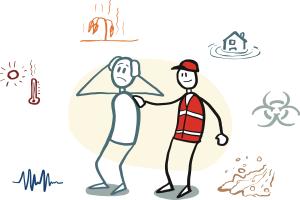
The 'Emergency Awareness' Workshops aims to strengthen people and community preparedness in crises and emergencies. The workshops are designed to align preparedness activities with crises that have a high likelihood and high societal impact: hazardous materials incidents, flooding, extreme weather, blackouts, epidemics and wildfires. The workshops use an interactive, small group serious game to introduce concrete preparedness actions. Participants jointly prepare a fictional persona for an upcoming crisis and later reflect on what these actions mean for their own situation.
Contribution

Provides emergency managers and disaster preparedness professionals with practical, step-by-step guidance for designing and conducting simulation exercises that test and strengthen response plans, procedures, and coordination systems across all hazards.
Solution

An annual Italian programme that trains young people each year in disaster risk awareness and civil protection through immersive week-long camps.
Case

A policy and planning toolkit used by education and disaster risk management actors to assess, reduce, and manage risks affecting learners, educators, and education systems. The solution outlines foundations and pillars for systemic action to protect learners, keep schools open during crises, and build resilience through risk education and inclusive safety management.
The CSSF aims to:
Solution
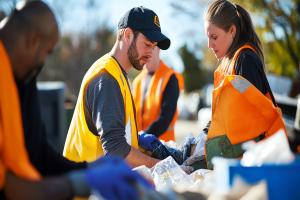
Professional emergency services may, at times, be limited in their response capacity and are often forced to focus their efforts on providing only the most essential assistance. Ready2Help is especially beneficial when a large number of people are quickly needed to provide extra support. This includes physical assistance (e.g. filling sandbags, carrying goods), sheltering groups of people, relieving healthcare personnel or providing assistance by making resources available (e.g. places to sleep or means of transport).
Solution

A digital platform and citizen network designed to mobilize local mutual aid and risk awareness through a "Citizen Volunteer" model before, during, and after disasters.
Solution

This solution is an institutional textbook designed to provide school teachers with a structured framework for teaching civil protection as part of the compulsory Civic Education course. It offers detailed modules covering the history of the National Civil Protection Service, the scientific basis of diverse hazards, and practical self-protection measures. The textbook serves as an official reference to foster a culture of prevention and community resilience from an early age.
Solution

The solution provides ready-to-use, scenario-based materials that help organisations simulate cyber incidents and strengthen their response coordination and decision-making capacity. The packages include facilitator guides, scenario narratives, injects, and evaluation tools that enable organisations to conduct structured discussion-based exercises without requiring technical simulation infrastructure.
Solution