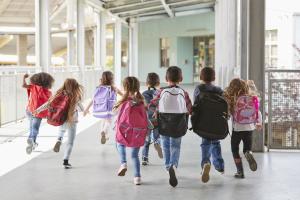
This handbook is a practical tool designed to help educators in Malta teach children and adolescents about disaster preparedness—especially earthquakes—through engaging, inclusive, and age-appropriate activities. Based on the Feel Safe methodology developed by Save the Children Italy, it offers a structured learning pathway (Explore–Experience–Participate), ready-to-use exercises, and guidance on addressing both the technical and emotional dimensions of emergencies.
Migrant Population
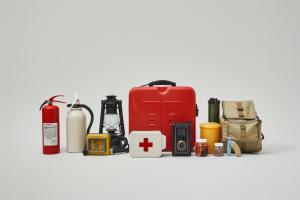
A practical household preparedness guide that helps people manage the first 72 hours of an emergency when essential services may be disrupted.
Solution

The Tokyo Resilience Project is a city-wide preparedness programme that equips residents with practical tools and learning experiences to improve everyday disaster readiness.
In practice, the project operates as a multi-hazard resilience “umbrella”: it strengthens physical protection (e.g., regulating reservoirs and river measures; coastal protection and sea-level-rise readiness; upgrading buildings and lifelines) while also trying to make preparedness “everyday” through accessible products and outreach. Examples of public-facing outputs include:
Case
Provides emergency managers and disaster preparedness professionals with practical, step-by-step guidance for designing and conducting simulation exercises that test and strengthen response plans, procedures, and coordination systems across all hazards.
Contribution
A free, modular resilience guide that equips Red Cross Red Crescent branches and community-based organisations in urban areas to lead practical, low-cost activities that strengthen community preparedness and reduce disaster risk.
Contribution
A policy and planning toolkit used by education and disaster risk management actors to assess, reduce, and manage risks affecting learners, educators, and education systems. The solution outlines foundations and pillars for systemic action to protect learners, keep schools open during crises, and build resilience through risk education and inclusive safety management.
The CSSF aims to:
Contribution
A comprehensive digital solution that equips residents and visitors of Estonia with standardized, actionable instructions to prepare for and respond to a wide array of crises, from natural disasters to cyber-attacks. The platform features an interactive household supply checklist, first-aid instructions, and survival guidelines tailored to the Estonian context. Its mobile application is designed to function entirely offline once downloaded, ensuring that citizens have uninterrupted access to life-saving information even during severe power or telecommunications outages.
Contribution
The Tokyo Resilience Project is a city-wide preparedness programme that equips residents with practical tools and learning experiences to improve everyday disaster readiness.
In practice, the project operates as a multi-hazard resilience “umbrella”: it strengthens physical protection (e.g., regulating reservoirs and river measures; coastal protection and sea-level-rise readiness; upgrading buildings and lifelines) while also trying to make preparedness “everyday” through accessible products and outreach. Examples of public-facing outputs include:
Contribution
A practical household preparedness guide that helps people manage the first 72 hours of an emergency when essential services may be disrupted.
Contribution

ReBuS provides a structured methodological framework and operational tools to assess community resilience and to guide strategic planning and public action in the context of crises, emergencies, and systemic change, through a holistic, participatory and multi-level approach.
Solution