A practical household preparedness guide that helps people manage the first 72 hours of an emergency when essential services may be disrupted.
People with Disabilities
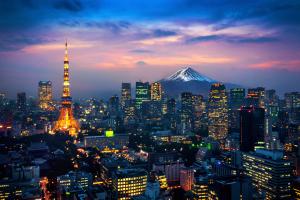
The Tokyo Resilience Project is a city-wide preparedness programme that equips residents with practical tools and learning experiences to improve everyday disaster readiness.
In practice, the project operates as a multi-hazard resilience “umbrella”: it strengthens physical protection (e.g., regulating reservoirs and river measures; coastal protection and sea-level-rise readiness; upgrading buildings and lifelines) while also trying to make preparedness “everyday” through accessible products and outreach. Examples of public-facing outputs include:
Case
Provides emergency managers and disaster preparedness professionals with practical, step-by-step guidance for designing and conducting simulation exercises that test and strengthen response plans, procedures, and coordination systems across all hazards.
Contribution
A free, modular resilience guide that equips Red Cross Red Crescent branches and community-based organisations in urban areas to lead practical, low-cost activities that strengthen community preparedness and reduce disaster risk.
Contribution
A digital platform and citizen network designed to mobilize local mutual aid and risk awareness through a "Citizen Volunteer" model before, during, and after disasters.
Contribution
A comprehensive fire prevention toolkit and guidance system designed to help residents identify and mitigate fire risks within their homes. The solution integrates a physical/digital guide with the "Home Fire Safety Checker," an online tool that categorizes household risk levels. Based on the results, the system offers tailored advice or triggers a professional home fire safety visit from local fire crews. It covers a wide range of hazards, including lithium battery safety, electrical maintenance, and specialized escape protocols for high-rise buildings.
Contribution
An immersive safety education “experience village” that trains children and seniors to recognise risks and take safer decisions in real-life situations.
Contribution
The Tokyo Resilience Project is a city-wide preparedness programme that equips residents with practical tools and learning experiences to improve everyday disaster readiness.
In practice, the project operates as a multi-hazard resilience “umbrella”: it strengthens physical protection (e.g., regulating reservoirs and river measures; coastal protection and sea-level-rise readiness; upgrading buildings and lifelines) while also trying to make preparedness “everyday” through accessible products and outreach. Examples of public-facing outputs include:
Contribution
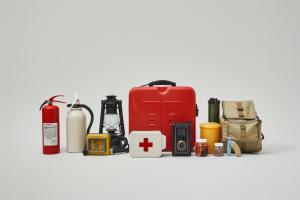
A practical household preparedness guide that helps people manage the first 72 hours of an emergency when essential services may be disrupted.
Contribution

ReBuS provides a structured methodological framework and operational tools to assess community resilience and to guide strategic planning and public action in the context of crises, emergencies, and systemic change, through a holistic, participatory and multi-level approach.
Solution