An annual Italian programme that trains young people each year in disaster risk awareness and civil protection through immersive week-long camps.
Coastal
A policy and planning toolkit used by education and disaster risk management actors to assess, reduce, and manage risks affecting learners, educators, and education systems. The solution outlines foundations and pillars for systemic action to protect learners, keep schools open during crises, and build resilience through risk education and inclusive safety management.
The CSSF aims to:
Solution
A comprehensive digital solution that equips residents and visitors of Estonia with standardized, actionable instructions to prepare for and respond to a wide array of crises, from natural disasters to cyber-attacks. The platform features an interactive household supply checklist, first-aid instructions, and survival guidelines tailored to the Estonian context. Its mobile application is designed to function entirely offline once downloaded, ensuring that citizens have uninterrupted access to life-saving information even during severe power or telecommunications outages.
Solution

A global educational simulation that challenges players to act as disaster risk managers, tasking them with protecting communities against imminent natural hazards through strategic planning and resource management. In each 10-20 minute session, players navigate one of five scenarios - tsunami, hurricane, wildfire, earthquake, or flood - where they must decide how to spend a limited budget on structural and non-structural measures.
Solution
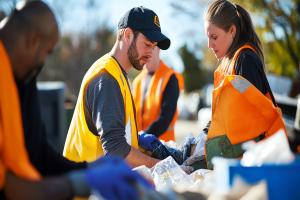
Professional emergency services may, at times, be limited in their response capacity and are often forced to focus their efforts on providing only the most essential assistance. Ready2Help is especially beneficial when a large number of people are quickly needed to provide extra support. This includes physical assistance (e.g. filling sandbags, carrying goods), sheltering groups of people, relieving healthcare personnel or providing assistance by making resources available (e.g. places to sleep or means of transport).
Solution

This solution is an institutional textbook designed to provide school teachers with a structured framework for teaching civil protection as part of the compulsory Civic Education course. It offers detailed modules covering the history of the National Civil Protection Service, the scientific basis of diverse hazards, and practical self-protection measures. The textbook serves as an official reference to foster a culture of prevention and community resilience from an early age.
Solution
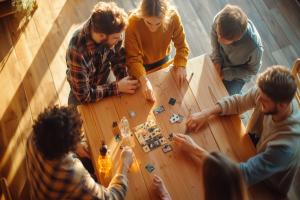
A community-based educational board game that helps participants learn about natural hazards, preparedness actions, and response behaviours relevant to island environments. It is supported by a structured facilitator manual to ensure accurate learning outcomes.
The solution aims to increase disaster risk awareness and preparedness through interactive learning, enabling participants to recognise local hazards, understand appropriate preparedness actions, and discuss risk-reducing behaviours relevant to Seychelles island communities.
Solution
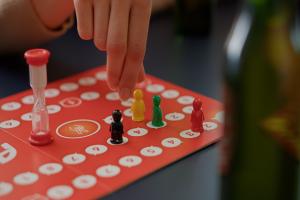
A board-game-based educational toolkit that helps children understand hazards and disaster risk reduction through interactive gameplay and structured learning activities.
Solution
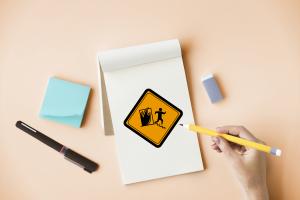
A printable, facilitator-led game that teaches teenagers practical safety behaviours for floods and wildfires through riddles, cooperative mini-games, and a debrief discussion.
The toolkit places participants in a scenario where they have 30 minutes to support a local councillor by identifying “good practices” for protecting people and reducing risk. It is designed for group play (4–6 participants) with an adult activity leader and ends with a structured debrief to consolidate learning.
Solution
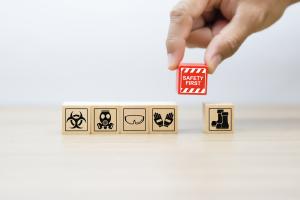
A free, evidence-based educational card game that teaches children aged 6–12 how to prepare for and respond to natural hazards through play.
The resource is intended for classrooms, families, and community/youth groups and is supported by printable game cards, educator support sheets, and short “how to play” videos. The game and support materials were developed using evidence and co-design input from resilience professionals, emergency responders, and education experts, and were play-tested with end users.
Solution