The CBDRR approach developed by Solidarités International is a participatory methodology that places affected communities at the centre of disaster risk analysis, planning, and action. It combines local knowledge with technical expertise to identify hazards, vulnerabilities, and capacities, and translates this shared analysis into concrete preparedness, mitigation, and response measures implemented at community level.
resilience
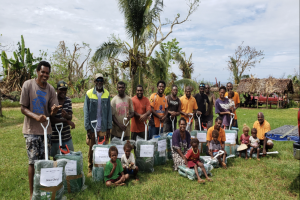
The case illustrates how disability-inclusive DRR has been advanced in Vanuatu by shifting from ad-hoc inclusion to more systematic engagement of persons with disabilities and their representative organisations in preparedness, response planning, and community decision-making.
Case
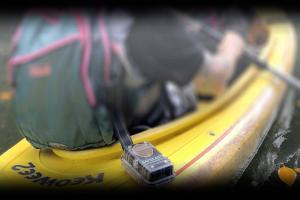
Safecast designs and deploys open hardware and software tools that enable citizens and experts to collect, share and access high-quality environmental data. Originating from a post-disaster information gap, Safecast promotes transparency, public trust and evidence-based decision-making through open data and community-driven monitoring.
Contribution
ReBuS provides a structured methodological framework and operational tools to assess community resilience and to guide strategic planning and public action in the context of crises, emergencies, and systemic change, through a holistic, participatory and multi-level approach.
Contribution
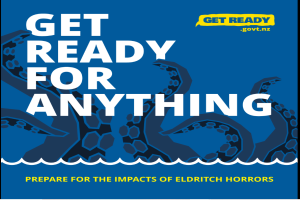
Get Ready (NEMA - New Zealand) is a national preparedness platform that offers practical instructions for preparing for and responding to multi-risk emergencies (before, during, and after).
The site addresses the problem of low self-sufficiency in a crisis, promoting family/community plans, kits, and supplies (e.g., water and grab bags). It includes specific guidance for vulnerable groups (disabilities, the elderly, children) and pets, with accessible and multilingual resources.
Case
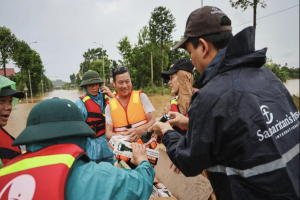
The Framework on Community-Based Disaster Risk Management establishes a standardized yet adaptable approach for engaging Vietnamese communities in assessing risks, planning preparedness measures, and implementing locally appropriate disaster risk reduction actions.
Case
The case illustrates how disability-inclusive DRR has been advanced in Vanuatu by shifting from ad-hoc inclusion to more systematic engagement of persons with disabilities and their representative organisations in preparedness, response planning, and community decision-making.
Contribution
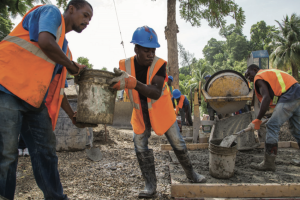
The CBDRR approach developed by Solidarités International is a participatory methodology that places affected communities at the centre of disaster risk analysis, planning, and action. It combines local knowledge with technical expertise to identify hazards, vulnerabilities, and capacities, and translates this shared analysis into concrete preparedness, mitigation, and response measures implemented at community level.
Contribution
A qualitative study analysing how hill-based households in Napier could support tsunami evacuees after a major earthquake, focusing on social capital, preparedness, and informal hosting capacity.
Contribution

Guiding schools to assess hazards, reduce risks, and co-design SOPs
Solution